
Master the Basics Before You Maximize Returns (Step 2: The Essentials)
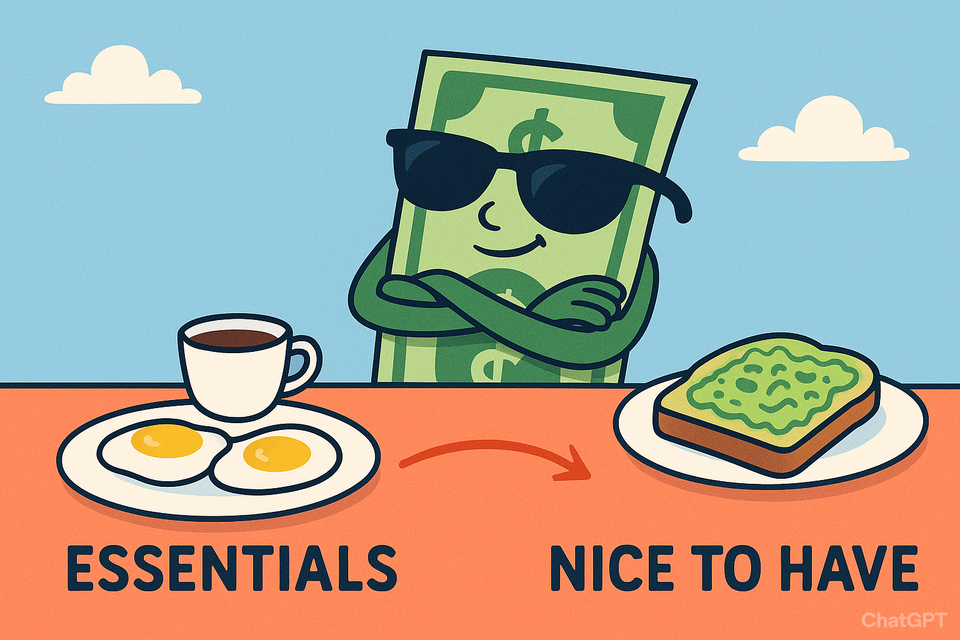
Wouldn't it be nice if we could all just easily grow our wealth and retire early? Easy right? That kind of success takes planning and a vision for the life we want to live. The urge to maximize every dollar is strong. We dream of min/maxing our finances with perfectly formatted spreadsheets and tidy 10% annual returns, as if life always plays by the rules. But before we chase maximum returns or start fine-tuning our portfolio, we need to master the basics and stabilize our foundation.
We just finished with Step 1: The Budget, so we should now have a clearer picture of our true income and expenses. This is also where the “reduce our expenses” side of the F.I.R.E. (Financial Independence, Retire Early) equation starts to matter. We're not talking about selling all our stuff and living in a van (unless that’s your thing), or giving up avocado toast forever. The point isn’t to sacrifice everything we enjoy. It’s about being honest with ourselves about where we're overspending and where we can reasonably cut back.
The Non-Negotiables
Let's start here. These are the expenses we must cover before anything else:
- Rent/Mortgage – We need a roof over our head.
- Food – We can’t plan our future if we’re hungry.
- Essential Utilities – Power, water, heat, trash. No streaming services or subscriptions boxes. Just the basics.
- Income-related Expenses – Internet, phone, transportation. These keep the money coming in.
- Health Care – Insurance premiums, prescriptions, co-pays. Our health is our foundation.
- Minimum Debt Payments – To avoid late fees, collections, and credit score damage.
Covering our essentials isn’t just about keeping the lights on. It’s about removing panic from our life. When our basic needs are handled, we breathe easier and make better decisions. We stop reacting and start planning.
Essential vs. Nice to Have
Everyone’s essentials will look a little different. Take a moment to list your current monthly expenses (or open up that budget you made in Step 1) and label each one as simply either:
- Essential
- Nice to have
Not sure which category something falls into? Try this filter:
If I lost my job tomorrow, could I go a month without this?
If the answer is yes, it’s probably not essential.
No amount of portfolio growth, debt paydown, or clever tax optimization matters if our basics aren’t handled. We can’t invest your way out of financial stress if our fridge is empty and the rent’s late. Prioritizing the essentials doesn’t mean we’re falling behind. It means we’re building a strong foundation to move forward from.
Even people with higher-than-average incomes can struggle to cover the basics. Life happens. Whether it’s a surprise expense, job loss, or just living in an expensive city, things can get tight. If making ends meet feels like a stretch right now, it doesn’t mean we’ve failed. It just means your next step might look a little different than someone else’s.
If that’s where you are, focus first on getting stable. Once your essentials are covered, then we can talk about the more exciting stuff like investing, paying off debt faster, and building toward financial freedom.
If you’re doing just fine, don’t skip this step. Going through the process still matters. It’s not about cutting back for the sake of it. It’s about being intentional with your money and understanding where it’s actually going.
The Big 3: Where the Real Leverage Lives
If covering our essentials feels tight, it might be time to take a hard look at the Big 3 Expenses: Housing, Transportation, and Food. These three categories tend to eat up the largest chunks of our income, which also makes them our best levers for meaningful change. Just because they are essential, doesn't mean we can't control them.
Here are a few high-impact tactics worth considering:
- Housing: Downsizing or moving to a more affordable neighborhood can free up a lot of cash. If you're in the right season of life, taking on a roommate can be one of the fastest ways to cut your costs in half. It’s not for everyone, especially families, but if you’re a young professional, it might be a powerful short-term strategy with long-term payoff.
- Transportation: Buy the car that fits your needs and your budget. Not the one that stretches both. You don’t need a brand-new SUV to sit in traffic. A reliable, fuel-efficient used car will do the job without derailing your financial goals.
- Food: Eating out less and cooking at home more consistently saves money. Even if the grocery bill feels high right now! Delivery fees, tips, and restaurant markups add up fast. You don't need to pay for a private taxi for that cold burrito. Now, you don’t have to go full meal-prep mode, making rice and beans for every meal, but pulling back on convenience spending here makes a real difference.
Take the Next Step Forward
Most young professionals can cover their essentials with their current income. That’s a great place to be! But even if things feel tight right now, it doesn’t mean you’re behind. Life throws curveballs. Expenses pile up. The key is knowing what matters most and focusing your dollars there first.
Revisiting your Big 3 — housing, transportation, and food — is always worth it, whether you're stretching every dollar or fine-tuning your surplus. And if income is the sticking point, that’s okay too. Growing your income is the harder lever to pull, but even small steps can make a difference. Maybe it’s upskilling at your current job, trying out a freelance gig, or working toward a raise.
It doesn’t have to happen overnight. Like everything else on this path, it’s about taking doing the next good thing.